Rotta´s Protest Against Measures Taken Against Jews
Angelo Rotta was Papal Nuncio in Budapest. By March 1944 he had urgently requested the prime minister to make a statement. In the following months Rotta, under Vatican direction, protested against the merciless measures carried out on the Jews. On the 24th of April, Rotta got in contact with the special ambassador Arnóthy Jungerth and notified him: … „The Holy Father deeply regrets the occurrances. He recognizes that also Hungary, a land in which he has always been proud of, which belongs to the „Christian“ countries, has taken another direction, thus creating conflict with Evangelist teachings.“On the 15th of May the Hungarian government was presented with a very significant written protest.
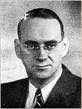 Along with Wallenberg the most active person in the „Hungarian Rescue Mission“ was the Swiss Carl Lutz. On the 02.01.1942 he became head of the „Protection“ department in the Swiss Legation to Budapest. Here he represented the interests of twelve countries, who were also at war like Hungary. Carl Lutz was under very strict Swiss direction. It was not possible for him to take precedence against the deportation plans in May of 1944